
Search our network of local heat pump experts
Need someone to help? You'll find them here!
Featured Members
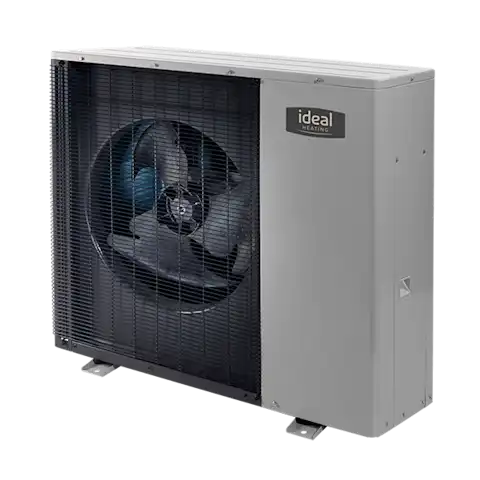
Ideal Logic Air
Featured Other Heat Pump Specialists
Frequently Asked Questions
Instead of burning fuel to create heat, a heat pump absorbs ambient thermal energy from the outside air or ground and compresses it to a higher temperature. It then transfers that heat into your home's wet central heating system and hot water cylinder. Because it moves heat rather than generating it from scratch, it delivers roughly three to four units of heat for every unit of electricity consumed.
The Boiler Upgrade Scheme is an upfront government grant in England and Wales offering £7,500 towards the capital cost of replacing a fossil fuel boiler with an air source or ground source heat pump. To qualify, you must own the property, have a valid EPC without outstanding cavity wall or loft insulation recommendations, and choose an MCS-certified installer. The installer applies for and deducts the grant value directly from your quote, so you do not have to claim the cash back yourself.
Not necessarily, but low flow temperatures (typically 35°C to 50°C) require larger surface areas to emit the same heat into a room as an old, high-temperature gas boiler. Well-insulated rooms may manage with existing radiators, while poorly insulated spaces often need upgrades to larger Type 22 or Type 33 units, or underfloor heating. In older properties, microbore pipework might also restrict required flow rates and require partial re-piping.
Running costs depend on your unit's seasonal efficiency (SCOP) and the "spark gap"—the price ratio between electricity and gas. A properly designed heat pump running at an SCOP of 3.5 or higher generally matches or slightly beats a standard gas boiler on standard tariffs. Leveraging smart, off-peak time-of-use electricity tariffs can reduce ongoing running costs significantly further.
Contemporary outdoor units produce around 40 to 50 decibels at one metre, which is comparable to a modern domestic refrigerator or quiet conversation. Sound drops off sharply with distance, meaning background environmental noise typically drowns it out a few metres away. Installers must adhere to MCS planning standards (MCS 020) to ensure sound pressure levels at your neighbour's nearest window remain negligible.
Yes, modern air source units operate reliably in temperatures well below -15°C by using refrigerants with boiling points far below freezing. System output and efficiency do dip during cold snaps, but correct design and room-by-room heat loss calculations ensure the property stays comfortable year-round. Ground source options bypass outside air fluctuations entirely by pulling consistent temperatures from beneath the frost line.
In England and Wales, most air source installations fall under Permitted Development, provided you comply with MCS 020 noise criteria, install only one outdoor unit, and keep it at least one metre from the property boundary. Listed buildings and designated conservation areas have stricter restrictions and will likely require formal local planning consent. Ground source systems rarely require planning permission unless you live on a sensitive site or need substantial trenching works.
Yes, low-temperature systems perform best using a "low and slow" approach rather than the on/off cycling typical of old high-temperature boilers. Maintaining a steady baseline temperature with a minor set-back at night keeps the compressor running in its sweet spot and prevents efficiency-killing recovery periods. Turning the system off entirely forces it to work harder at higher flow temperatures, which directly hikes electricity consumption.
